
5 Things To Know About Garfield Park’s New Quality-Of-Life Plan

GARFIELD PARK — A new roadmap for investments and the future of Garfield Park has been released, chartering a community-led direction for the neighborhood.
The Garfield Park Quality-Of-Life Plan was unveiled last month, the first such plan covering both East and West Garfield Park. The last quality-of-life plan was in 2005 for East Garfield Park. The new plan, led by the nonprofit Garfield Park Rite To Wellness Collaborative, brings together over 60 local organizations and agencies to collaborate with a focus on reversing decades of disinvestment, closing disparities and shaping the future of the neighborhood.
The plan is centered around nine pillars: arts, media and technology; business and economic development; education and workforce development; health and wellness; housing, real estate and green space; parent and family support; public safety; recreation and entertainment; and youth development.
A partnership to create the plan began in January 2020 between the Garfield Park Rite To Wellness Collaborative and the Local Initiatives Support Corporation, an organization that has facilitated similar quality-of-life plans in neighborhoods such as South Chicago, South Shore and North Lawndale.
The 84-page plan, which incorporates input from hundreds of Garfield Park residents and community leaders, covers everything from challenging Garfield Park’s life expectancy gap and improving access to technology to creating programs for formerly incarcerated people to continue their education. Progress toward the plan’s goals will be monitored over the next 7-10 years.
To read the full plan, click here.
Block Club sat down with Drea Slaughter, who leads the Garfield Park Rite To Wellness Collaborative, to discuss the top five goals of the plan.
Revitalizing Madison And Pulaski Commercial Corridors
Madison Street was ground zero for the riots following the assassination of Martin Luther King Jr. in April 1968. Storefronts and buildings were burned by rioters and the destruction required intervention from the National Guard. Some residents and historians viewed the riots as a flashpoint for the disinvestment that would follow on the Madison Street commercial corridor and the greater West Side, according to a WTTW documentary.
In recent years, several projects have emerged that focus on reversing the disinvestment, including a study of the Madison Street corridor by the Chicago Department of Planning and Development and the $7 billion 1901 Project, which will transform Near West Side around the United Center with housing, retail, a hotel, a music venue and more.
The quality-of-life plan looks to further developments along the Madison and Pulaski corridors, which run along the 2000-5400 block of West Madison Street and 300-600 block of South Pulaski Road, according to the plan. Organizers hope for the area to be concentrated and walkable with businesses, restaurants and opportunities for youth engagement. The plan also seeks to bring housing to the area.
“The goal is, in partnership with the city, to have a true revitalization of the corridor … a renaissance,” said Slaughter. “It’s like the heartbeat of our neighborhood.”
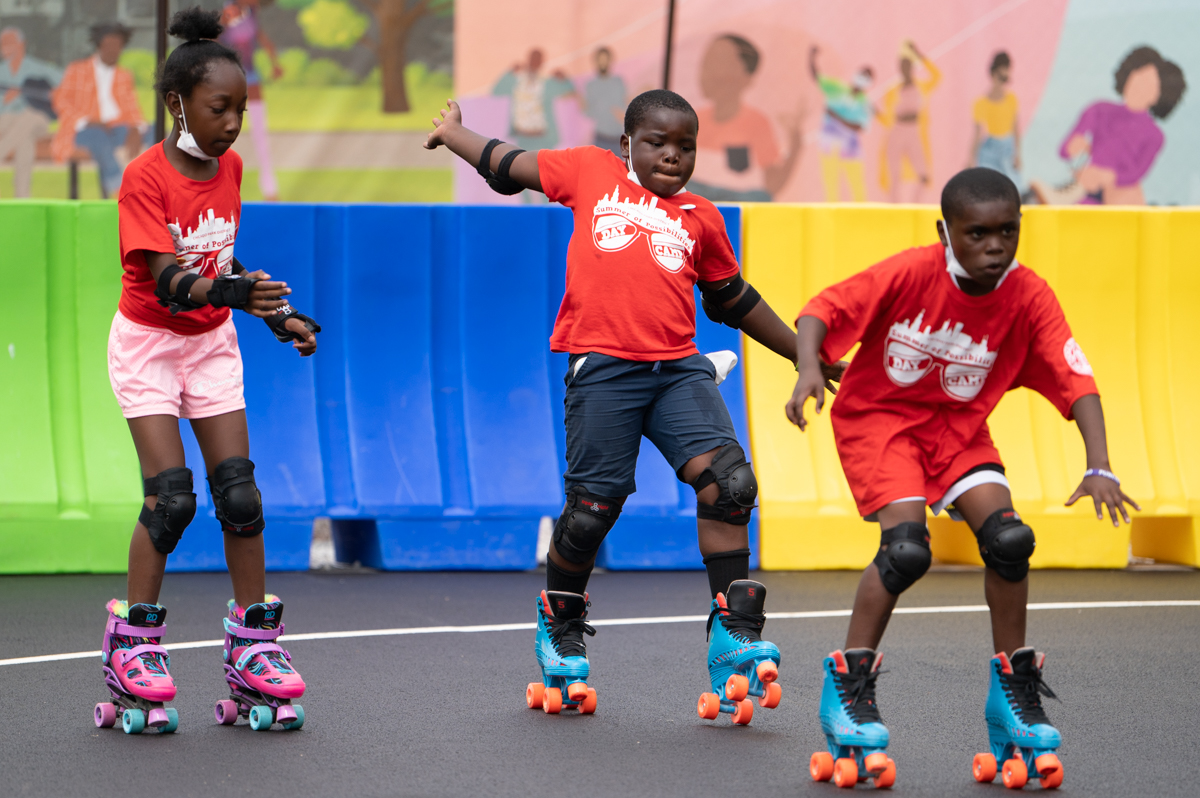
Slaughter pointed to developments like the overhauled roller rink at Park No. 602 and the upcoming Westgate Project at Madison Street and Hamlin Avenue as steps in that direction. Organizers aim to introduce more Black-owned businesses along Madison and Pulaski corridors, looking to local organizations like the Garfield Park Community Council and West Side United for grants, educational opportunities and capital to back local entrepreneurs.
Community members are also looking for the corridors to develop a name and a marquee-like structure to greet visitors, similar to the Humboldt Park Paseo Boricua flags or the proposed Soul City gateway arch.
Measuring Impact Of Sankofa Village Wellness Center
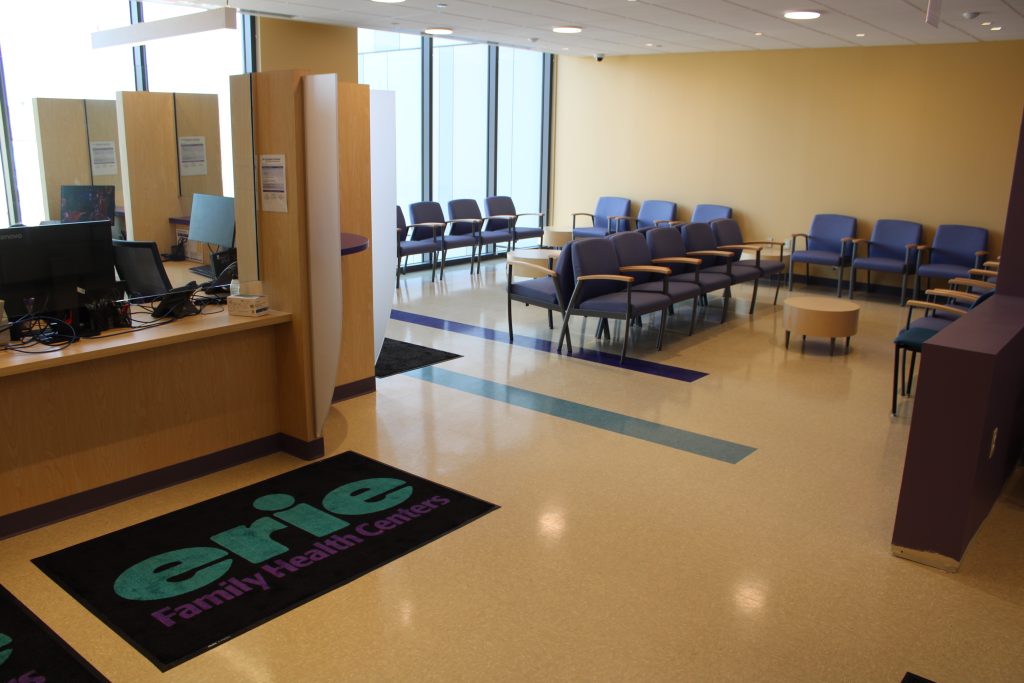
The Sankofa Village Wellness Center opened in April, offering primary medical care, fitness services and more to address health disparities in the area.
The center is the first dedicated healthcare center and new major development in West Garfield Park and the Madison Commercial Corridor since the 1968 riots, said Slaughter. For the quality-of-life plan, the Sankofa Wellness Village Center represents a critical investment in community health and accessibility by being centrally located on the corridor, she said.
In the years to come, Slaughter said organizers will work with the center to track its impact on the neighborhood. The Erie Family Health Clinic, located at the center, marked a recent milestone of passing 1,000 patients seen at center. Between April and August, more than 8,000 people visited the Sankofa Wellness Village Center, which includes a YMCA, two clinics and event space, officials said.
The center aims to work with the Westside Heroin/Opioid Task Force to offer behavioral health services and workforce development resources and provide a seasonal shower trailer to the task force, which is based less than a mile away near the Pulaski Green Line station. Westside United also is planning to staff a kiosk at the Sankofa Center.
Improving Access To Fresh Food, Grocery Stores
Garfield Park has struggled to keep grocers in the area over the past decade. In 2021, an Aldi grocery store on Madison Street abruptly closed, leaving 15,000 residents without access to a local grocery store and further exacerbating food deserts across the West Side.
In 2024, the Westgate development was announced to replace Aldi that would include a grocery store and affordable housing, though construction has yet to begin.
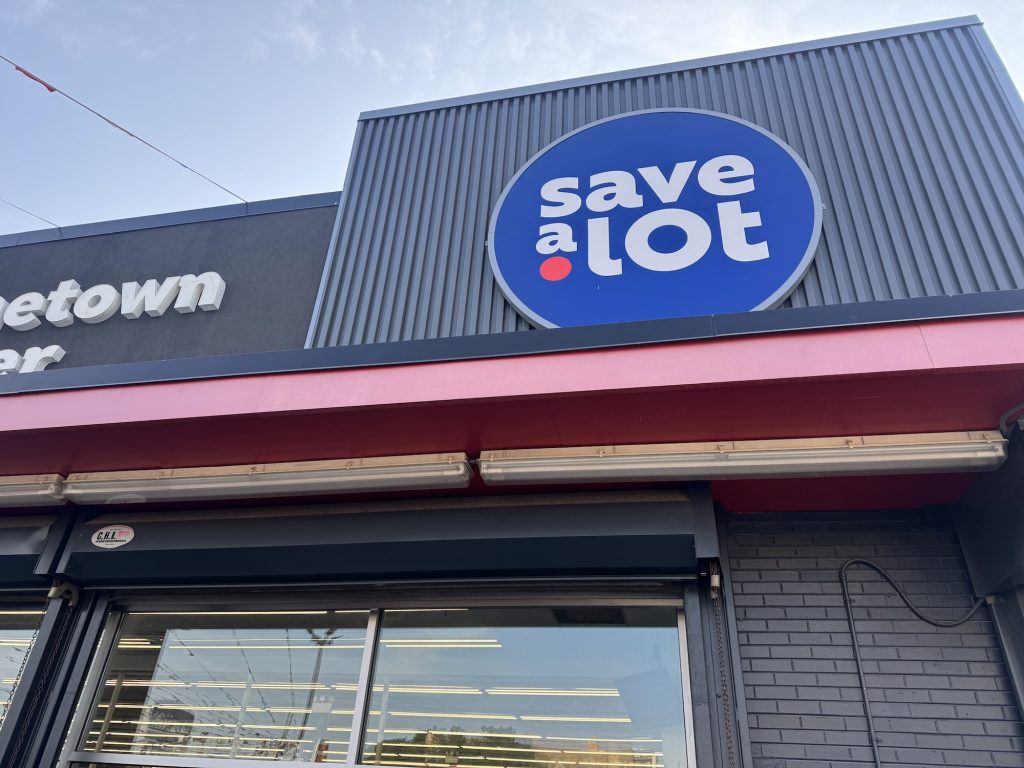
This summer Garfield Park’s Save A Lot grocery store on Pulaski Road closed, about four years after reopening in 2022, along with six other Save A Lot stores across the South and West sides after their operator fell into financial distress. Currently there are no plans for a replacement grocer at the Garfield Park location.
“Save A Lot just closed, and so now we are essentially back to being a food desert,” Slaughter said.
The quality-of-life plan looks to address food deserts in Garfield Park by supporting initiatives by pop-up grocers and food pantries in the wake of Save A Lot’s recent closure. These efforts include funding more pop-up markets through Sankofa’s Community Grocer Initiative and partnering with the Greater Chicago Food Depository to offer food boxes to Garfield Park residents.
The plan also includes collaborating with the upcoming Westgate development and directing people to the Legler Library food pantry on Pulaski Road.
Job Training For Young People
The unemployment rates for East and West Garfield Park are 19 percent and 23.8 percent, respectively, according to the plan — well above the national average of 4.3 percent.
The plan looks to increase job opportunities, especially for young people, and to measure success by the number of young people under age 20 accessing internships, apprenticeships and mentorship programs. The plan hopes to establish an online resource called the Garfield Park Education and Workforce Portal to share information on jobs, internships, scholarships and trainings.
This goal is supported by local organizations including Fresh Supply, Earth’s Remedies, the Westside Community Empowerment Center and Revolution Workshop.
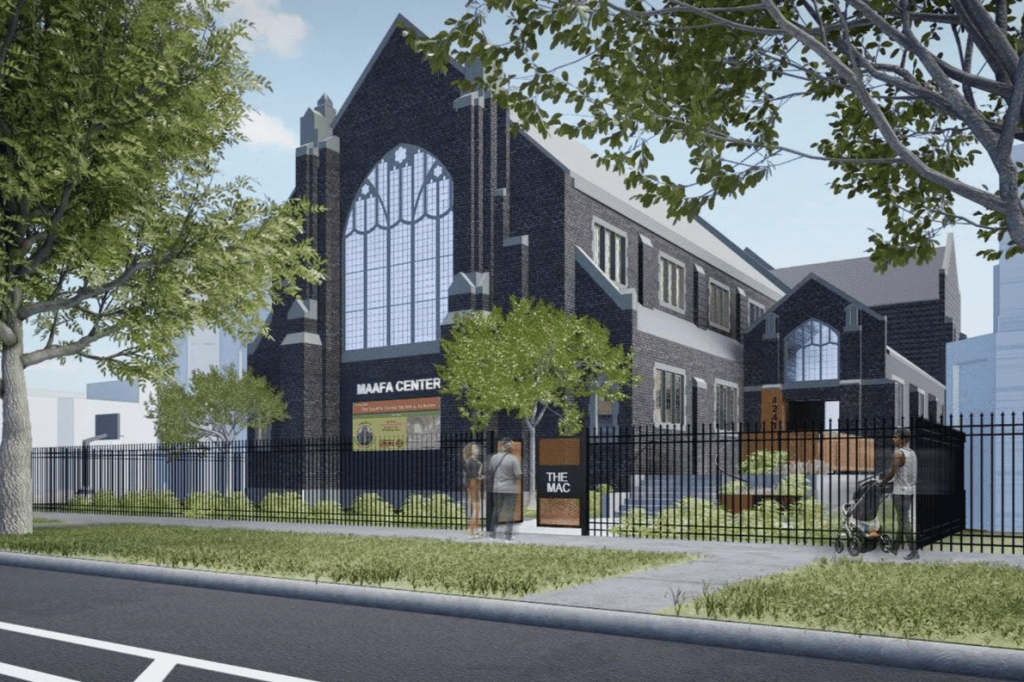
Organizations like the K Entrepreneurship Hub and MAAFA Center for Arts and Activism, which broke ground last year, are expected to be fully constructed in the coming years. Both will offer job training programs as part of the Sankofa Wellness Village development, a revitalization effort that won the $10 million Chicago Prize in 2023.
Closing The Life Expectancy Gap
Virtually all aspects of the quality-of-life plan center on improving aspects of neighbors’ lives to ultimately narrow the life expectancy gap.
West Garfield Park residents live to an average age of 69, compared to 85 for people living in the Loop, according to a 2015 Virginia Commonwealth University report. A 2021 city study showed a racial life expectancy gap growing between Black and non-Black Chicagoans. Black people in Chicago live about nine fewer years than non-Black people as they struggle with higher death rates for diabetes-related issues, homicides, HIV and opioids, that report found.
The plan looks to local organizations like Peace Runners 773, Garfield Park Conservatory and Garfield Park Advisory Council for health and wellness programs.
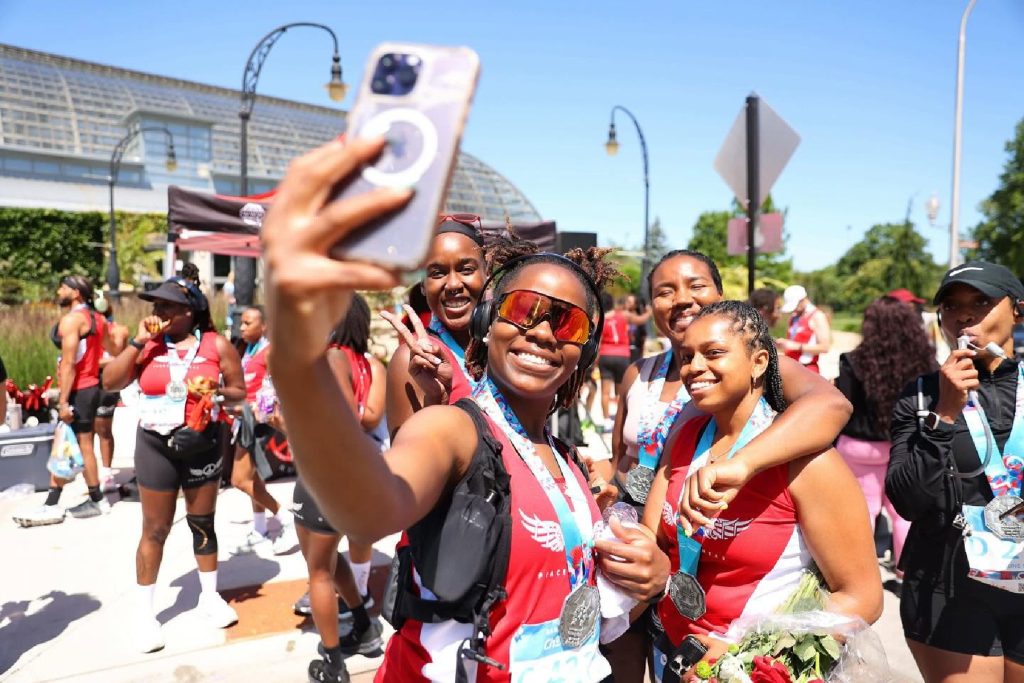
Members of Peace Runners 773, which offers running, yoga and nutrition programs for all ages, logged more than 75,000 miles across West Side neighborhoods last year through a mix of weekly runs and dedicated race training. A recent Kent State study showed Peace Runners’ impact in the Garfield Park neighborhood to include decreased depression, increased sense of belonging and overall improved physical and mental health.
The quality-of-life plan aims to combine the health and wellness benefits of neighborhood programs with public safety, education and workforce development for a holistic approach to increasing the life expectancy of Garfield Park.
“Everybody just thinks of health and wellness with the death gap, but it’s all of the things mentioned, which are the socioeconomic drivers that also impact the longevity of your life — it’s not one thing,” Slaughter said. “We have to be inclusive when addressing that, and the quality-of-life plan is uniquely set up to do so.”